During the COVID-19 pandemic, with a lack of unified direction from authority figures, average Americans are turning to the media for guidance. Although the presence of media makes information readily accessible to the average citizen, many media representations of COVID-19 safety measures are misguided and sensationalized. One such safety trend which media outlets have emphasized is the hazmat suit. Political figures as well as celebrities have been reported donning full gear, neon hazmat suits when out in public, and these images have been reproduced by adjacent media outlets as well as social media accounts. Americans have internalized these iconic representations of safety, and have begun adapting them through mimicry. The icon of the hazmat suit has become a representation of the binary opposition of safety and violence, as well as heightened feelings of fear during the global pandemic.
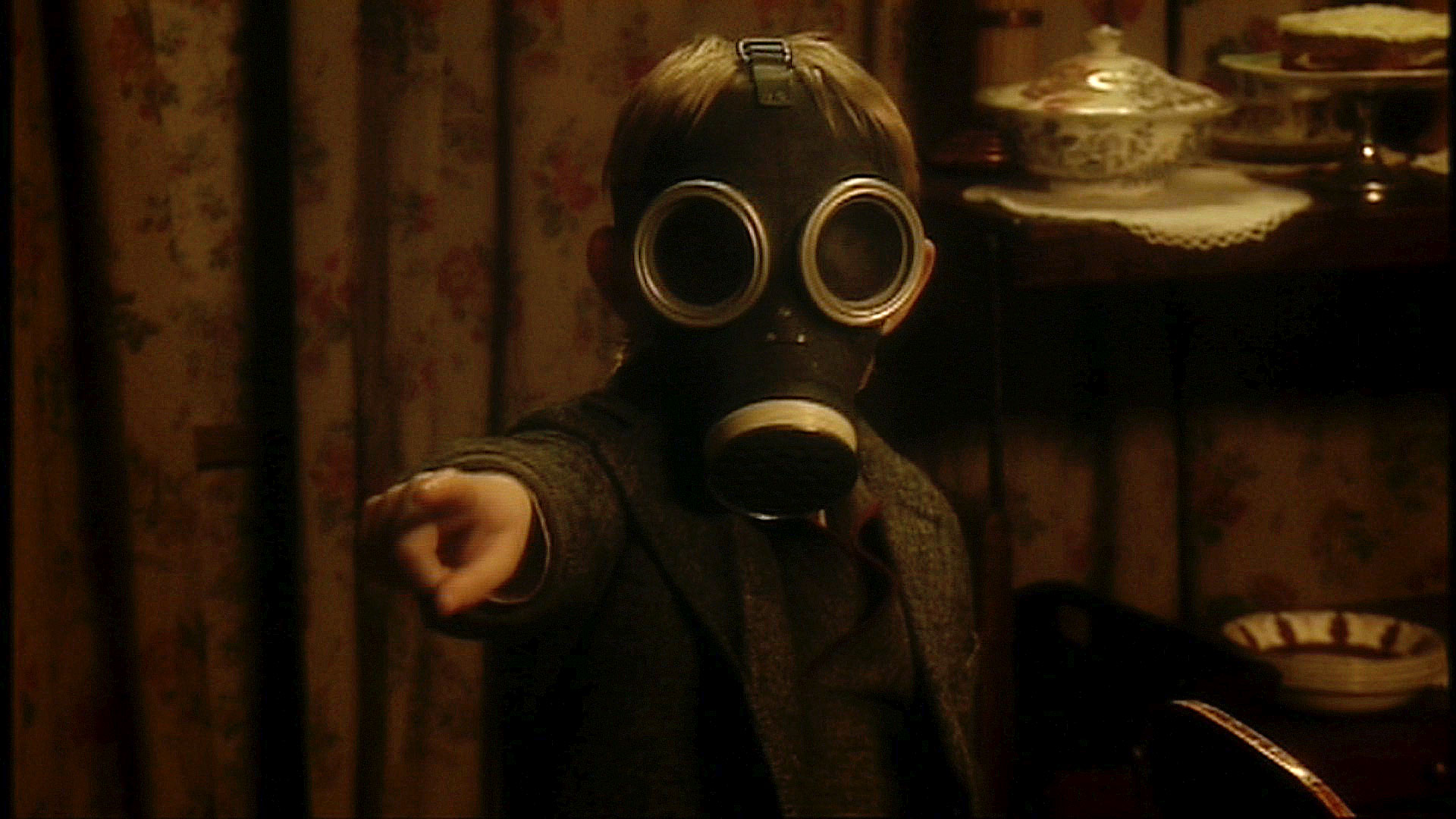
The icon of the hazmat suit is especially influential because it holds deep background associations, which have become entangled in its current representation. Historically, hazmat suits have been associated with the threat of injury by chemicals. Most notably, full-body suits and masks were worn by soldiers during World War II, in order to protect themselves from gas attacks. These internalized images of faceless fighters wearing gas masks have been normalized by popular culture, and have even been idolized in the steam-punk aesthetic. Modern television characters such as the empty child in Doctor Who have furthered this normalization. Through its reproduction and integration in popular culture, the imagery of the gas mask has been internalized alongside its background representation of warfare; this has emphasized the association between a full-body suit and the fear of violence.
Although the association of violence and the hazmat suit has developed, through a process of fragmentation and semiotic transcription, the icon has moved away from its association with warfare. The hazmat suit has become normalized as a tool to ensure the safety of civilians. The media has reported examples of the hazmat suit being worn by celebrities such as Russian president Putin, supermodel Naomi Campbell, and actor Howie Mandel. Although they have become sensationalized, these reproductions hold meaning. The multiplicity of the hazmat suit in popular culture has allowed it to become defined as normal. This reproduction and redefinition of the hazmat icon is essential to the cultural acquisition of it.
The available and transmissible quality of icons allows them to stay relevant in popular culture. After an icon is fragmented and reproduced in media, it becomes incorporated into the public sphere of life. The hazmat suit has become inconisized as a symbol of both violence and safety; it represents the ultimate form of physical protection, yet is still fundamentally a clothing item associated with a history of violence. Overall, the lingering association between the hazmat suit and warfare has contributed to its unintentional heightening of fear surrounding the pandemic.

The image of a woman being sprayed with antiseptic upon her arrival at an airport in Batam, Riau Islands, Indonesia embodies this fear. The image depicts a crowd of masked officials wearing hazmat suits, spraying an unknown substance on a lone, physically unprotected woman. The actors within the performative stage of this photograph embody both sides of the binary opposition. By spraying the woman with antiseptic, the masked officials attempt to ensure the safety of their country, yet the violent, faceless quality of the act furthers the fear which the suit embodies. The woman in the photograph then becomes the victim of violence associated with the suit, but, in her supposed breach of safety, she also embodies the fear of the virus.
This photograph’s complex portrayal of the binaries associated with the pandemic make it an especially effective icon. The photograph represents to its viewer how the threat of the virus, and so, the fear of harm, is embodied in the people around them. It also represents how easily the icon of the hazmat suit is able to transform the person wearing it from representing safety to representing violence. Thus, in revealing the hazmat suit's binary quality, this iconic photograph emphasizes the feelings of mistrust and fear of harm from others which the COVID-19 pandemic presents.

No comments:
Post a Comment